
Sinocare Strengthens Global Healthcare Presence at WHX Dubai 2026
In February 2026, the global healthcare community once again turned its attention to Dubai. Bringing together participants from more than 180 countries, over 270,000 healthcare professionals, and more than 4,800 exhibitors, the WHX Dubai exhibition presented a remarkable showcase of cutting-edge medical technologies and industry innovation.
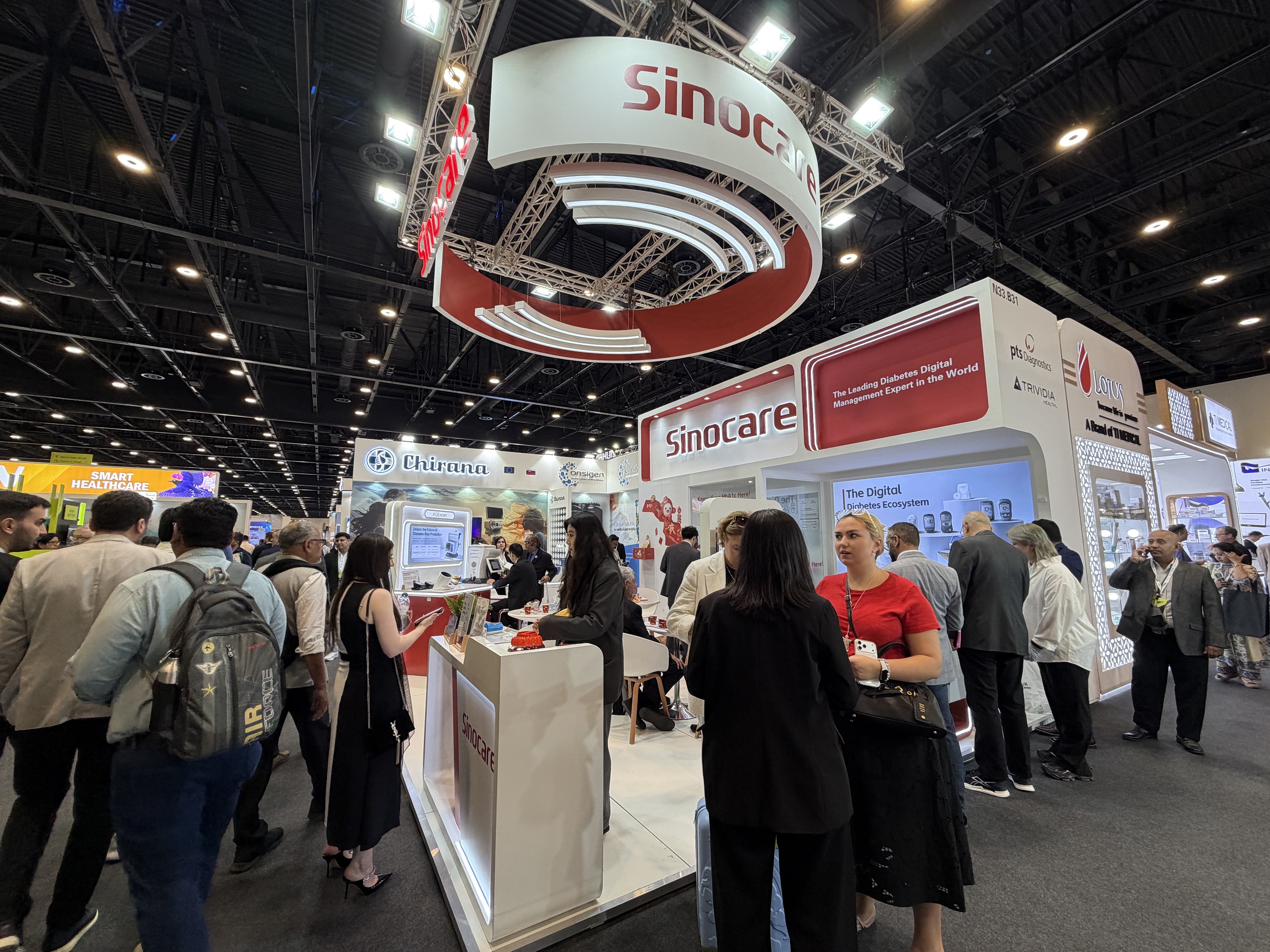
As a key hub connecting Asia, Africa, and Europe, Dubai offers an open healthcare policy environment and a vibrant innovation ecosystem. This provides an important strategic foothold for Sinocare in advancing its “global product expansion + localized collaboration” strategy. This year, Sinocare participated in the exhibition as an official WHX partner. This recognition not only highlights the industry’s strong endorsement of Sinocare’s product capabilities and brand value, but also signifies our transition from a participant on the international stage to an active co-builder of the global health ecosystem.

At the exhibition, Sinocare showcased a comprehensive portfolio of products spanning chronic disease monitoring, diabetes risk screening, and iPOCT solutions. From personal health management to professional medical settings, these innovations demonstrate the growing impact and systemic capabilities of Chinese intelligent manufacturing in global health governance.

Sinocare’s global expansion began much earlier than many might expect. As early as 2006, the company obtained the EU CE certification, officially entering the European market. In the following year, its certification footprint expanded to countries including Russia and Cuba, further accelerating its international presence. Today, Sinocare’s products and services reach 187 countries and regions worldwide, serving more than 25 million users globally.
For Sinocare, “going global” is not simply about exporting products. It represents a deeper dialogue with local markets and a collaborative process driven by real healthcare needs. Through technological integration and continuous innovation in service systems, Sinocare aims to break down geographical and resource barriers—making accurate, simple, and affordable health management tools accessible to people around the world, and ensuring that health becomes more equitable and inclusive through technology.
