
The 21st Xiangya T1D Family Camp Brings Together 113 Families to Share Knowledge, Support, and Hope
From July 24 to 26, 2026, the 21st Xiangya T1D Family Camp was successfully held in Changsha, Hunan, bringing together 113 people with type 1 diabetes (T1D) and their families from 41 cities across 17 provinces in China. Over the three-day camp, participants gained diabetes knowledge, built meaningful connections, and strengthened their confidence in managing life with T1D.
The camp was organized by the Department of Metabolism and Endocrinology of the Second Xiangya Hospital of Central South University and the National T1D Alliance, and co-organized by the Hunan Sinocare Diabetes Foundation (“Sinocare Foundation”) and Sinocare.
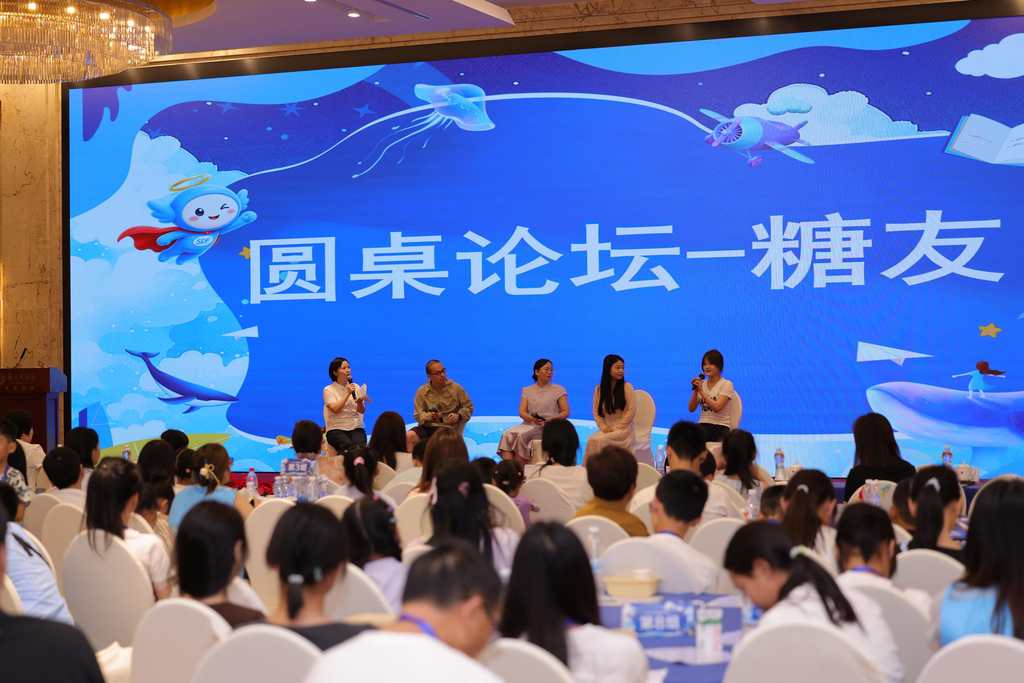
21 Years of Commitment: Building One of the Largest T1D Family Camps Worldwide
Since its launch in 2006 with only 18 participating families, Xiangya T1D Family Camp has grown into one of the largest type 1 diabetes camps in China and worldwide, supporting more than 5,000 T1D families over the past 21 years.
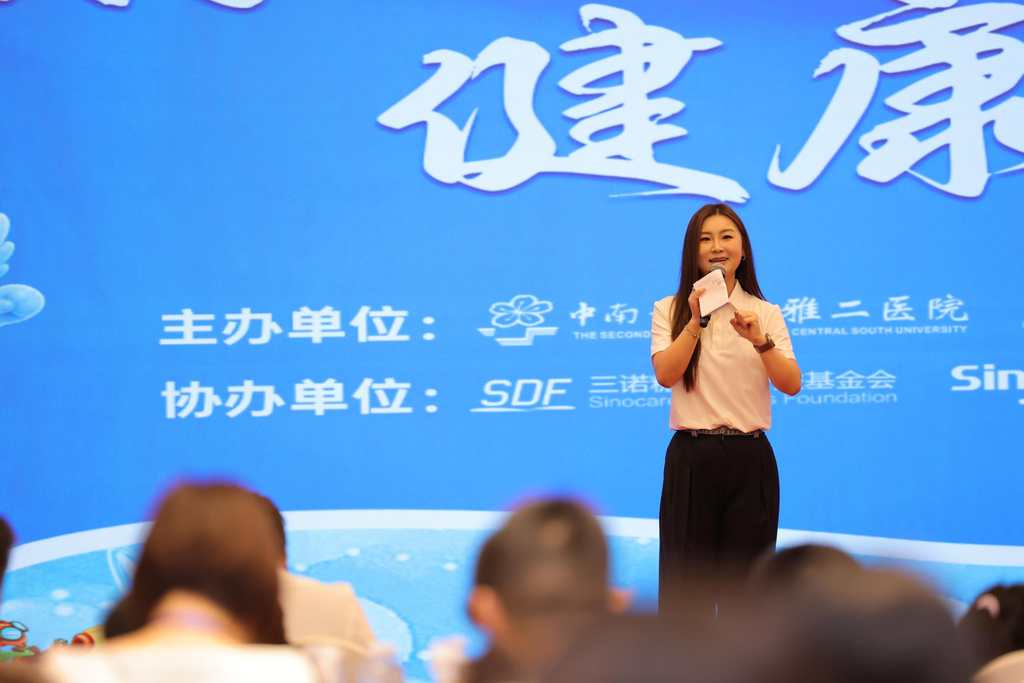
At the opening ceremony, Li Xinyi, Chairman of the Sinocare Foundation, reviewed the camp’s development journey and encouraged families living with T1D to embrace life with a positive mindset and manage diabetes through scientific approaches.
Established in January 2019 by Sinocare and its founders, the Sinocare Foundation is the first foundation in mainland China dedicated specifically to diabetes-related public welfare initiatives. As a 4A-level non-public fundraising foundation in Hunan Province, it is committed to “helping people with diabetes live healthier and happier lives through education and innovation” by providing professional support and services for the diabetes community.
This year’s camp welcomed 113 participants with T1D. Among them, eight people with T1D and one family member volunteered to support the event. Participants ranged from children under five to adults over 17, covering different stages of life with T1D. More than half of the participants joined the camp for the first time, while 28 participants had attended three or more times, demonstrating the camp’s long-term influence and strong community connection.
Tailored Support for Every Stage of Life with T1D
The camp continued its age-specific education model, offering dedicated programs for children, adolescents, and adults to address their different needs throughout life with diabetes. For children aged 6–10, the program focused on building diabetes awareness through interactive learning. By incorporating glucose management knowledge into games and activities, children learned about nutrition, blood glucose changes, and healthy habits in an engaging environment. Many children gradually overcame fear and anxiety related to diabetes management and discovered that T1D does not limit their ability to enjoy a happy childhood.

For adolescents, the focus was on communication and emotional support. Sessions addressed parent-child relationships, academic pressure, glucose management, and peer support. Through open discussions, teenagers shared their concerns and expectations, while parents gained a deeper understanding of their children’s thoughts and challenges. The program encouraged families to provide support through trust and communication, helping young people develop greater independence in diabetes management.
For adults living with T1D, discussions focused on real-life challenges, including workplace decisions, relationships, self-acceptance, and whether to disclose their condition to others. Through peer communication, participants shared experiences, reduced feelings of isolation, and found greater confidence in navigating life with diabetes.
Expert Guidance and Comprehensive Health Assessments Support Diabetes Management
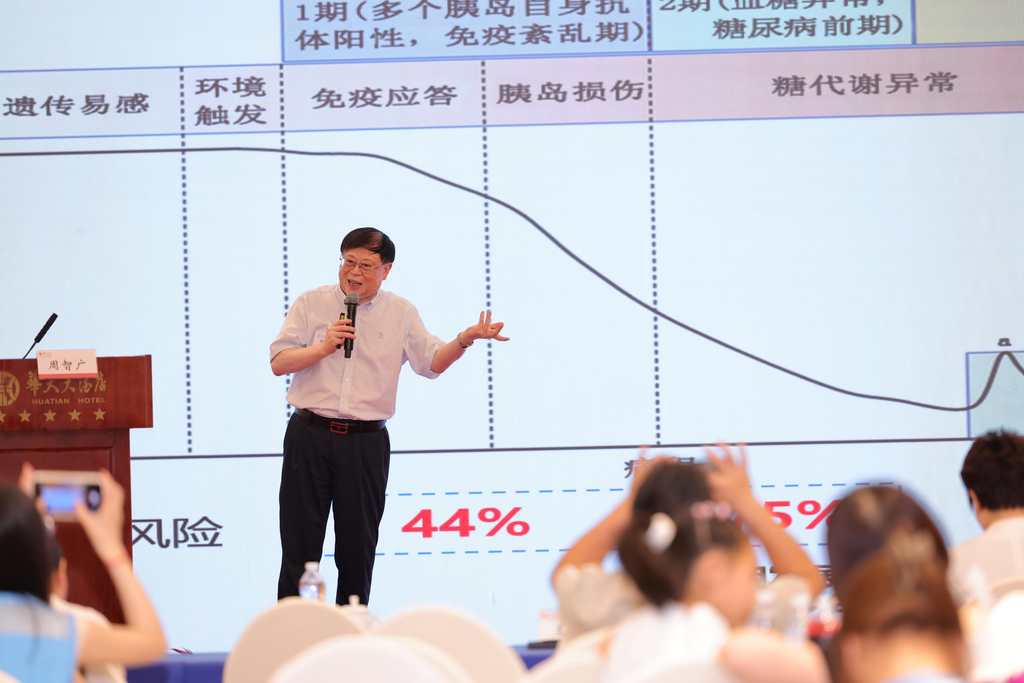
During the three-day camp, Professor Zhou Zhiguang, Professor Li Xia, and their expert team from the Department of Metabolism and Endocrinology of the Second Xiangya Hospital provided professional guidance on lifelong T1D management and the latest advances in diabetes care.
Professor Zhou Zhiguang delivered a presentation titled “Early Screening for Type 1 Diabetes: Significance and Practice,” highlighting the clinical value of early screening among first-degree relatives of people with T1D. Professor Li Xia presented “Advances and Future Directions in Type 1 Diabetes Treatment,” reviewing the latest developments in diabetes treatment approaches worldwide.
According to participant feedback, advanced treatment options, insulin therapy, nutrition management, psychological support, and exercise guidance were among the topics families were most interested in, reflecting the key challenges faced in daily T1D management.
The camp also provided a one-stop chronic disease assessment program, where a multidisciplinary team consisting of physicians, nutritionists, diabetes educators, and exercise specialists offered free health assessments, including liver and kidney function tests, lipid profiles, HbA1c testing, C-peptide testing, pancreatic islet autoantibody testing, vitamin D testing, blood and urine analysis, body composition analysis, and CGM data interpretation. Through one-on-one consultations, experts helped families review glucose records, optimize management strategies, address misconceptions about nutrition, and provide psychological support.
From Annual Gathering to Year-Round Support: Building a Comprehensive T1D Care Network
While Xiangya T1D Family Camp serves as an annual gathering for the T1D community, nationwide T1D Family Camps provide year-round support, together forming a comprehensive support network combining professional care, education, and peer connection. In 2025, T1D Family Camps were held 58 times across 22 provinces in China, supporting 1,489 T1D families. More families are now able to access diabetes education, peer support, and professional resources closer to home.
As a key initiative of the Sinocare Foundation, the T1D Child Care Program provides newly diagnosed children with type 1 diabetes and their families with the New Diagnosis Care Kit, helping them overcome uncertainty and challenges during the early stage after diagnosis. The program also provides long-term support for families in need, including assistance with essential diabetes supplies such as CGM sensors and insulin pen needles. The program was recognized as a finalist for the 12th China Charity Award in 2022.
The Diabetes Care Professional Training program, developed in collaboration with the National Clinical Research Center for Metabolic Diseases and the National T1D Alliance, supports healthcare professionals in improving T1D education and management capabilities. The Campus Diabetes Awareness Tour promotes scientific understanding of T1D among teachers and students, helping create a supportive and inclusive environment for children living with diabetes. The GDM Maternity Care Kit program supports women with gestational diabetes by providing guidance on home glucose management, health education, and psychological care, helping protect maternal and infant health.
Since 2021, the Sinocare Foundation has continuously achieved a full score in the Foundation Transparency Index (FTI), demonstrating its commitment to transparency and accountability.
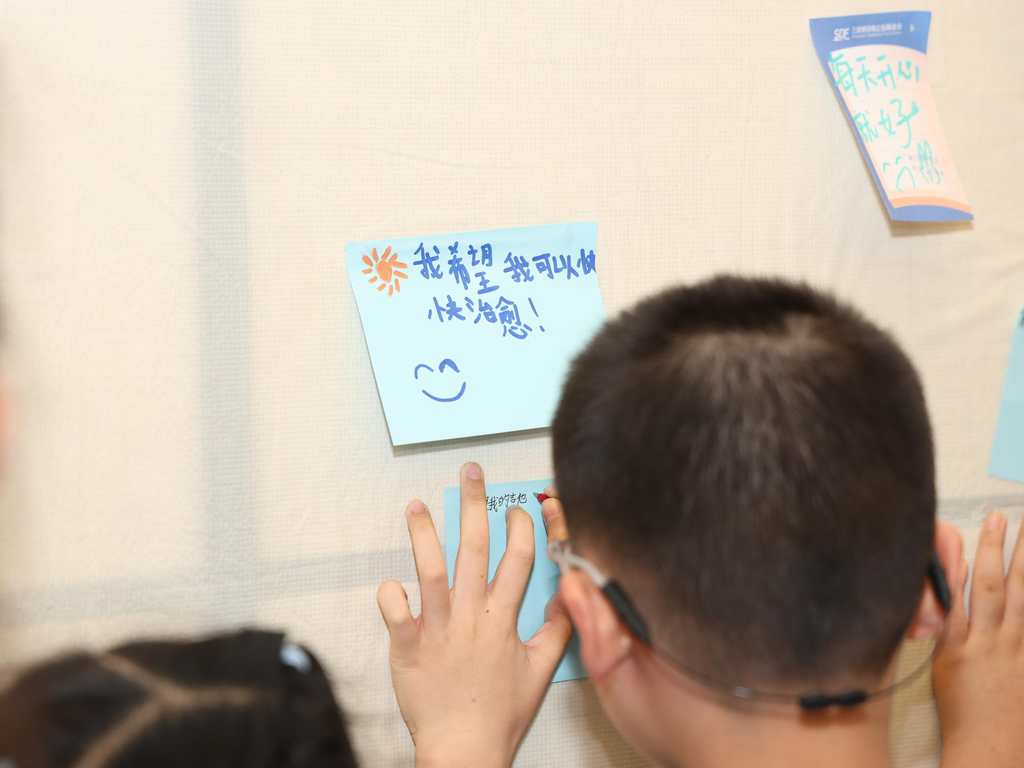
Technology Empowering Public Welfare: Sinocare’s Commitment to Diabetes Health
The public welfare initiatives of the Sinocare Foundation are supported by Sinocare’s technological innovation and healthcare expertise.
Founded in 2002, Sinocare is committed to improving the quality of life of people with diabetes and related chronic diseases worldwide through innovative, high-quality, and affordable products and services. By integrating biosensing technology, artificial intelligence, and healthcare solutions, Sinocare has developed four core business areas: personal health monitoring, precision point-of-care testing, precision wearable systems, and digital diabetes management solutions.As a National Manufacturing Individual Champion Enterprise and National Technology Innovation Demonstration Enterprise, Sinocare has received multiple national recognitions, including the National Science and Technology Progress Award.
At the camp, Sinocare provided rapid multi-indicator health screening and CGM data interpretation services, using accurate, simple, and affordable solutions to help break barriers in chronic disease management. Every measurement represents not only technology, but also care and support for people living with diabetes.
The successful completion of the 21st Xiangya T1D Family Camp represents the continuation of a 21-year commitment to supporting people with type 1 diabetes and their families. Looking ahead, the camp will continue to provide professional education, emotional support, and practical resources, empowering every person living with T1D to confidently manage diabetes and pursue a fulfilling life.